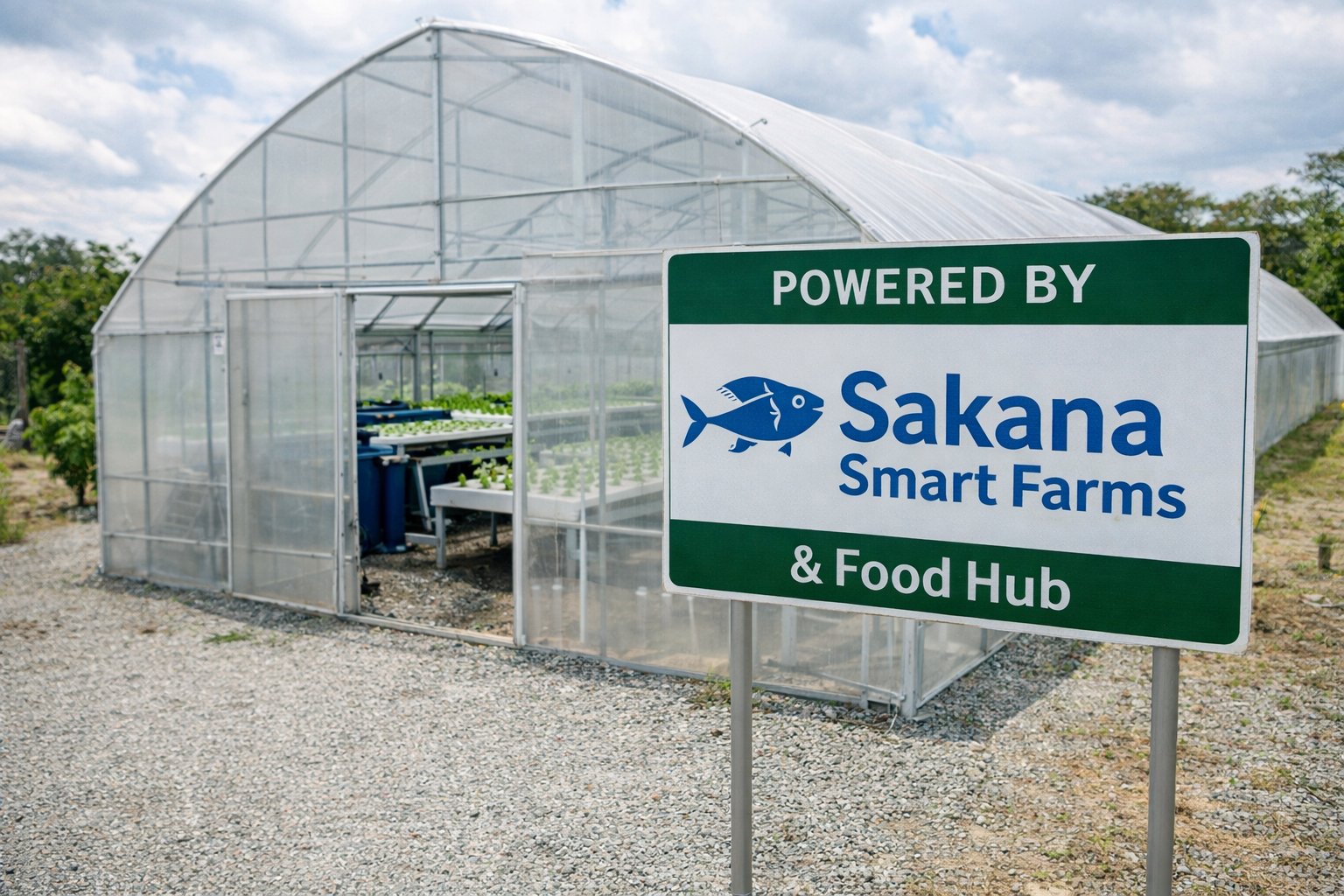
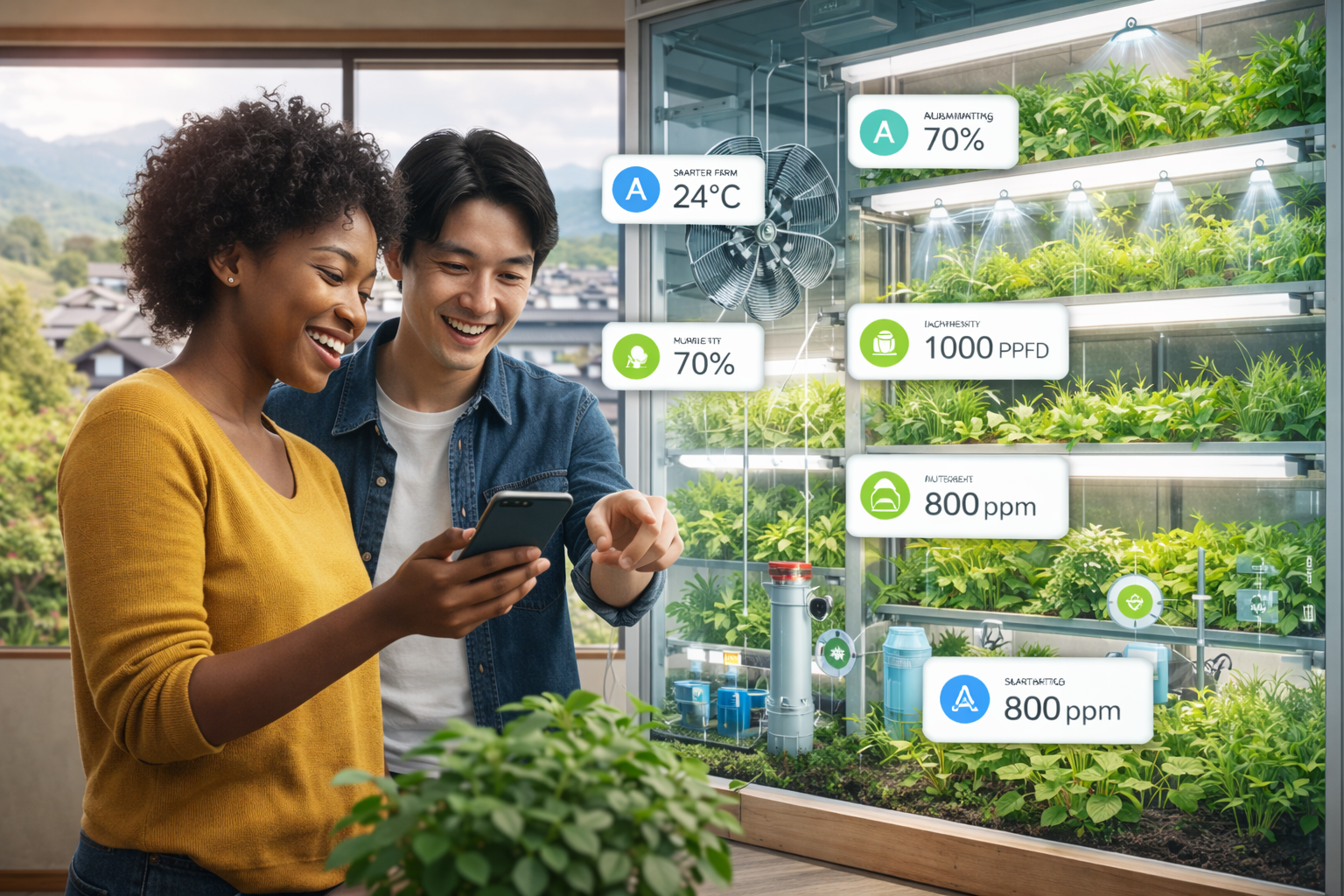
Urban Smart Farms employ advanced sensor networks and AI-driven control systems to precisely manage temperature, humidity, light intensity, CO₂ levels, and nutrient delivery for consistent, year-round crop production.
Vertical stacking and modular layouts transform rooftops and warehouses into high-yield food production systems while minimizing land use.
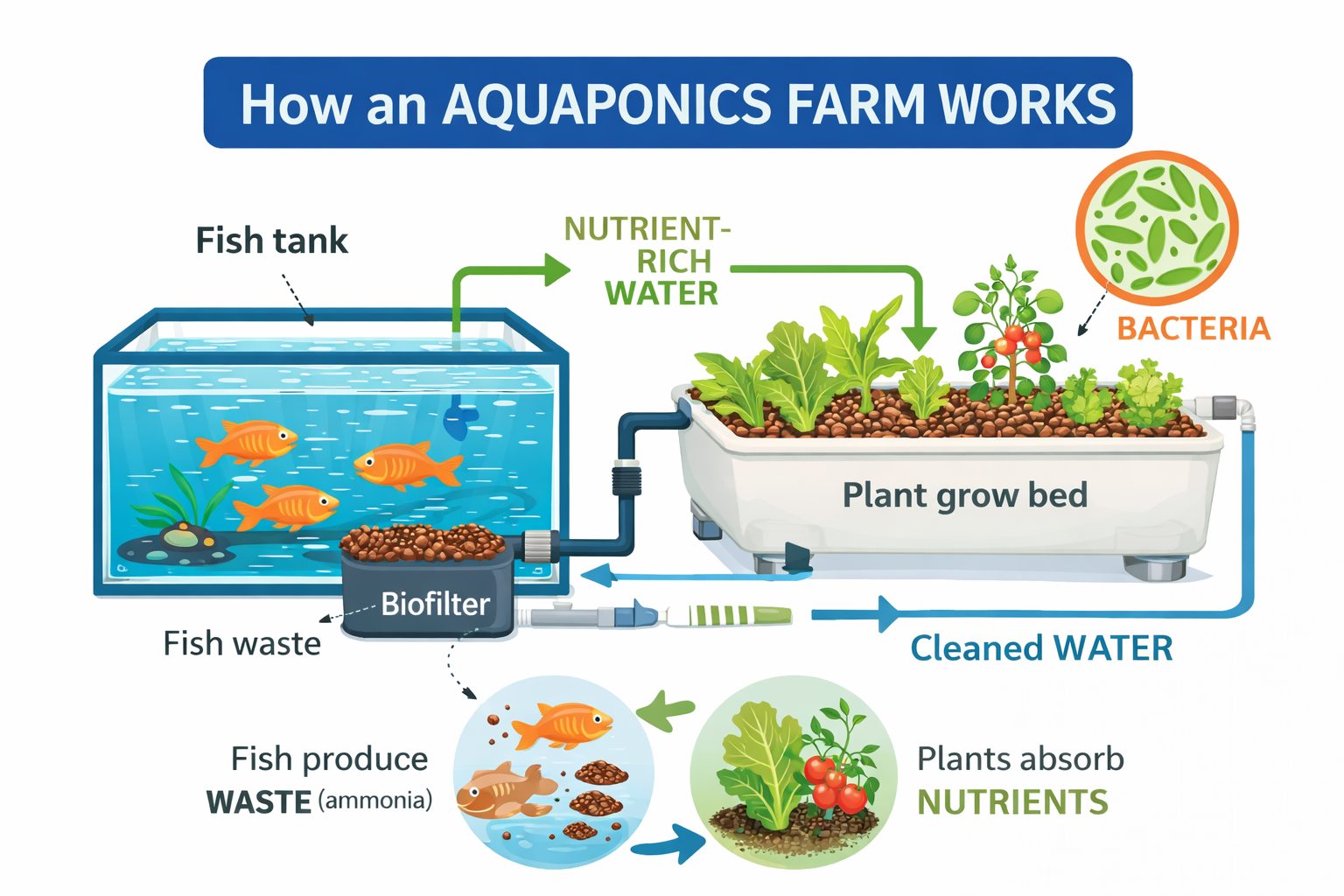
Closed-loop hydroponic and aquaponic systems reduce water, energy, and fertilizer usage, supporting climate-resilient urban agriculture.
Localized food production shortens supply chains, improves freshness, enhances traceability, and strengthens city resilience.
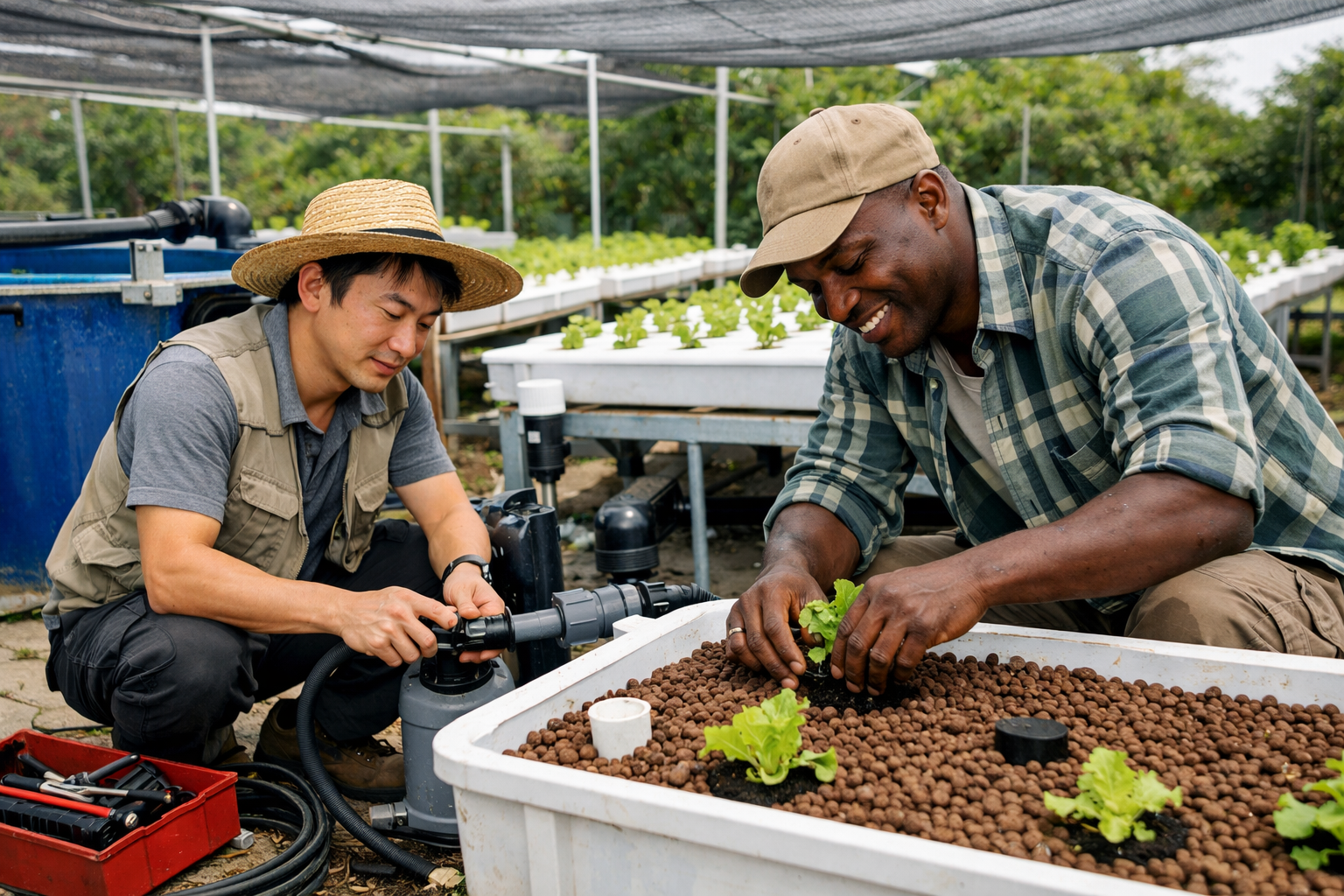
We design and deploy complete aquaponics systems tailored to each client’s space, scale, and production goals. From fish–plant balance to automation and monitoring, we ensure reliable operations with routine servicing and urgent maintenance support.
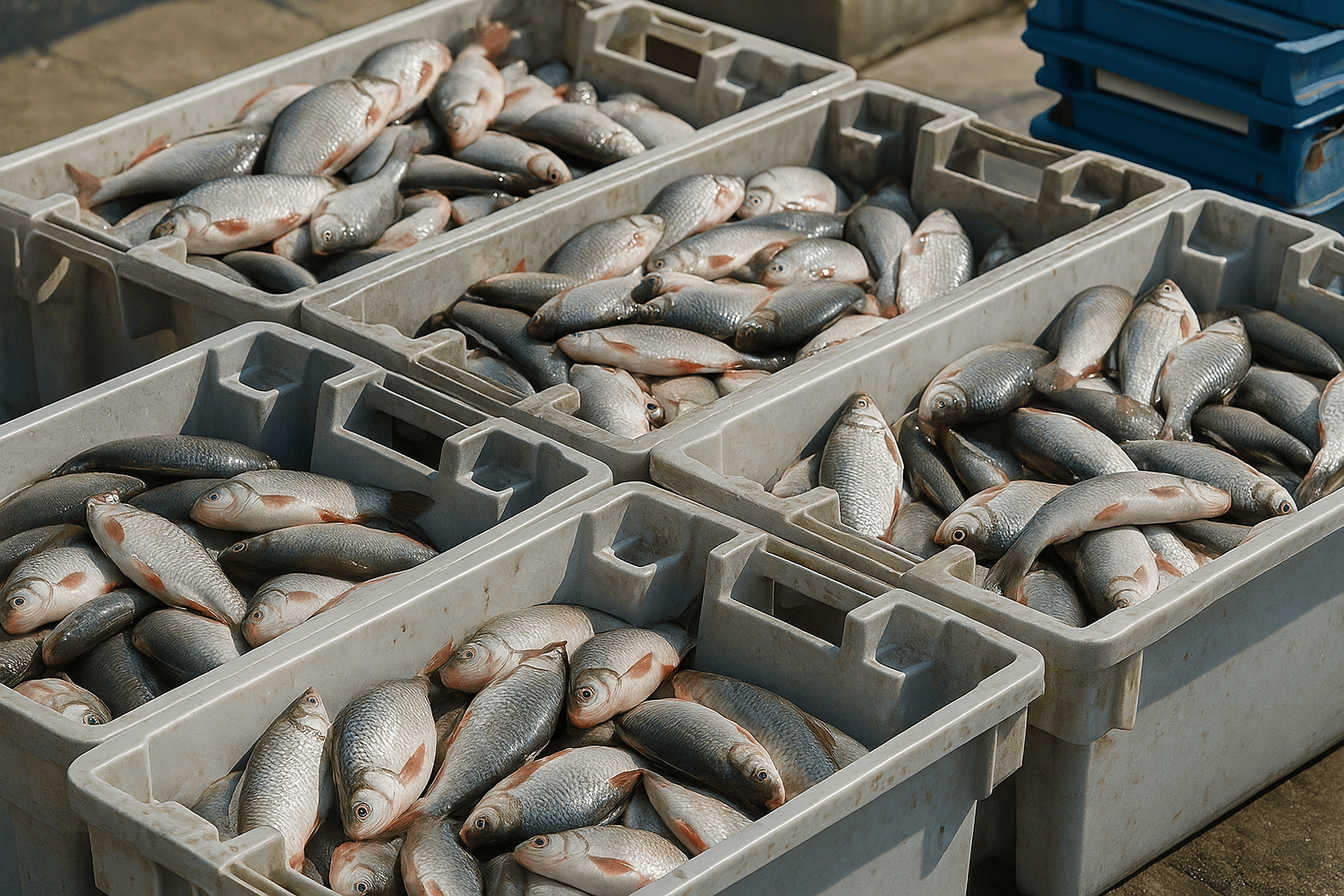
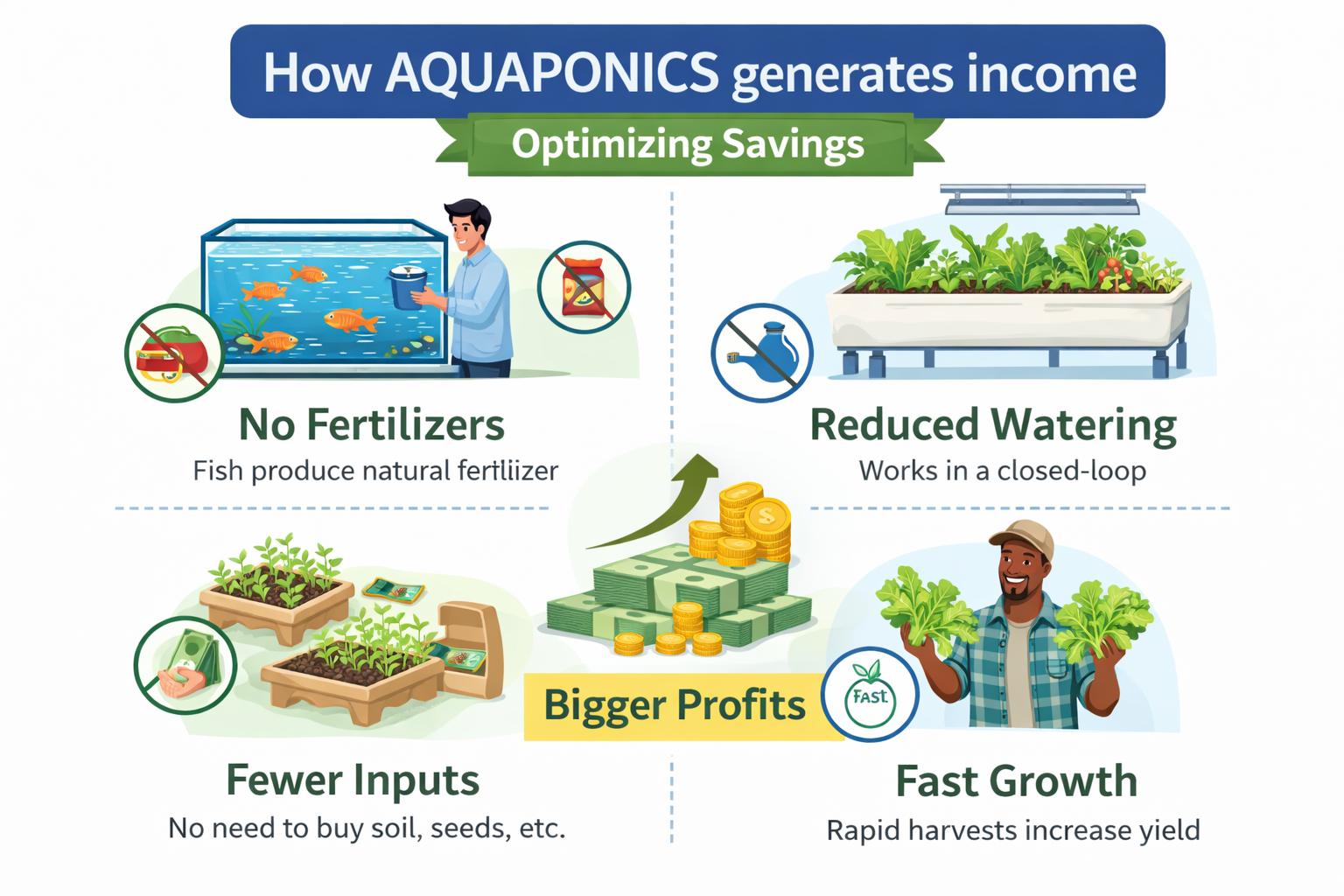
Aquaponics enables simultaneous production of fish and high-value crops, delivering steady revenue through year-round harvests and reduced operating costs.
Facilities serve as living laboratories and tourist attractions, generating income through tours, workshops, and sustainability education programs.
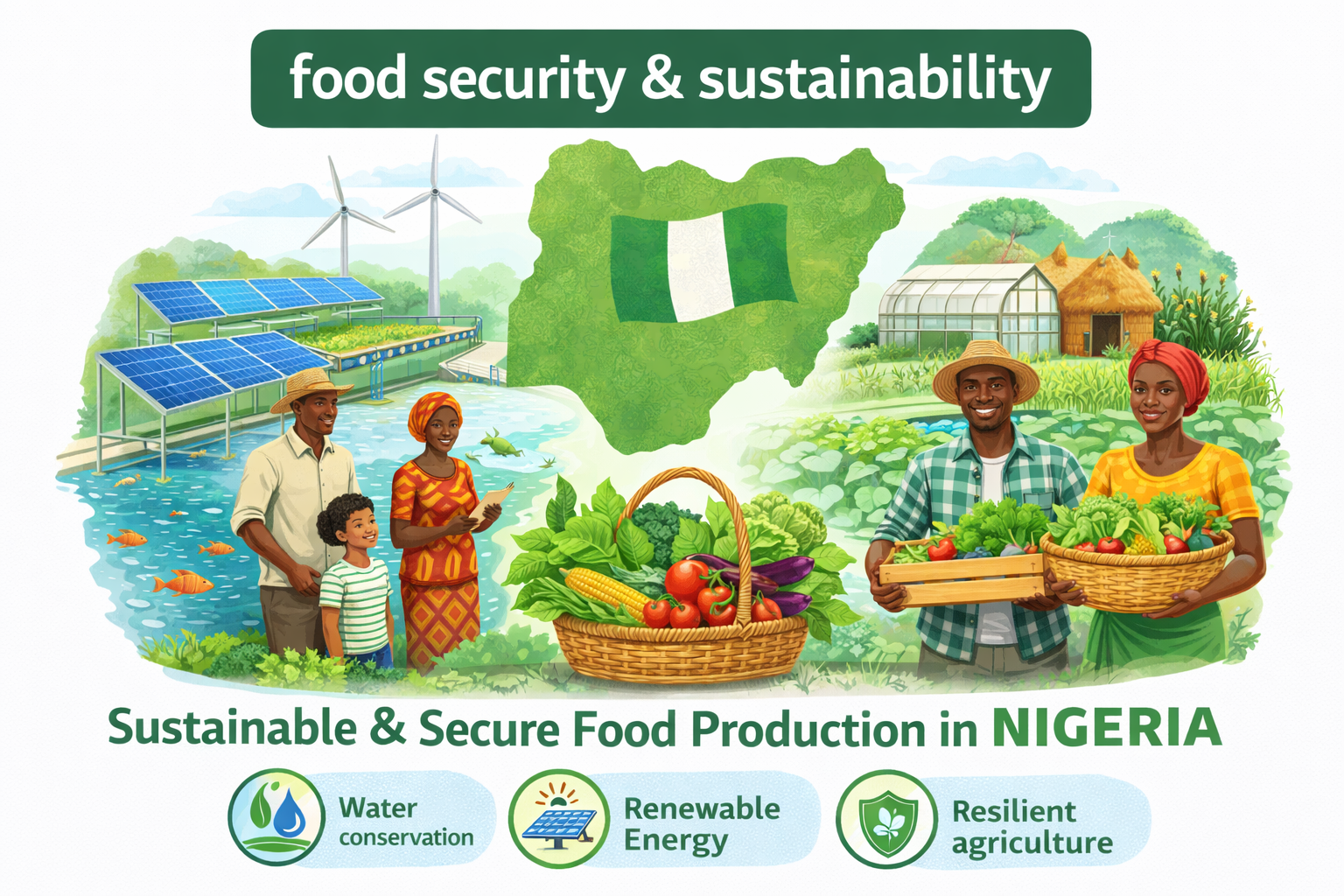
Urban and peri-urban aquaponics systems provide safe, resilient food production while reducing security risks and strengthening food security.

Our AI-controlled microclimate systems continuously monitor and analyze environmental data to maintain optimal growing conditions. Intelligent algorithms autonomously regulate temperature, humidity, lighting, CO₂ levels, and nutrient delivery for consistent performance.
Machine learning models adapt conditions based on growth stages, seasonal variation, and historical data, reducing labor demands while ensuring stable, high-quality yields.
Predictive analytics detect environmental stress, faults, and inefficiencies early, safeguarding crop health and enabling reliable, year-round urban food production.
Sustainable urban food production integrates advanced farming technologies into city environments to deliver fresh, safe, and traceable food while reducing environmental impact and food miles.
Controlled environments, water recirculation, and precision nutrient management reduce emissions, minimize waste, and support climate-smart agriculture.
Decentralized urban farms strengthen food security, create local jobs, support small enterprises, and ensure consistent access to nutritious food.